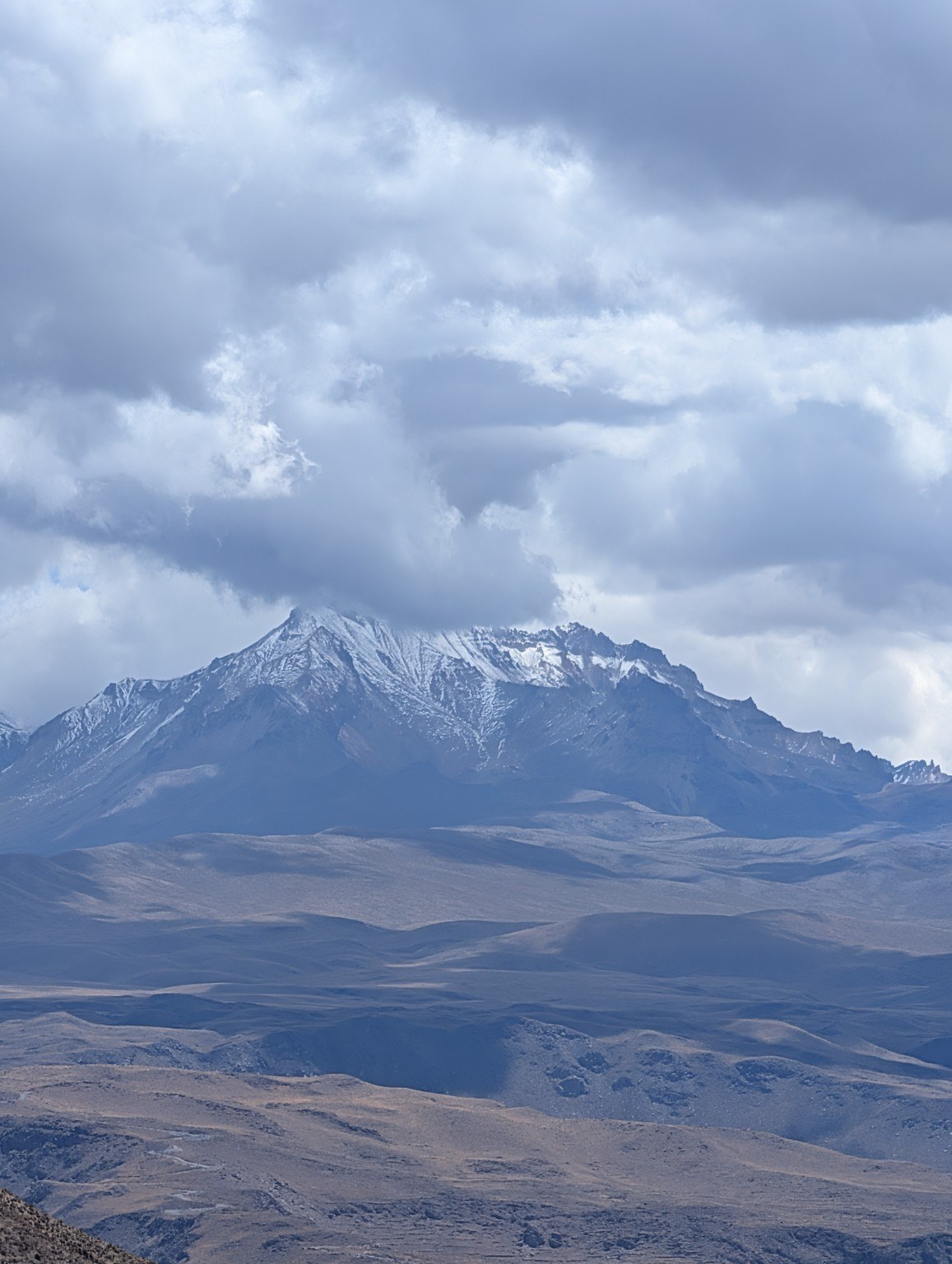
We left Puno at 6:30 in the morning for the drive to Colca Canyon. Ahead of us were wide-open landscapes, small mountain communities, and a pass approaching 5,000 meters—the highest point of our trip.
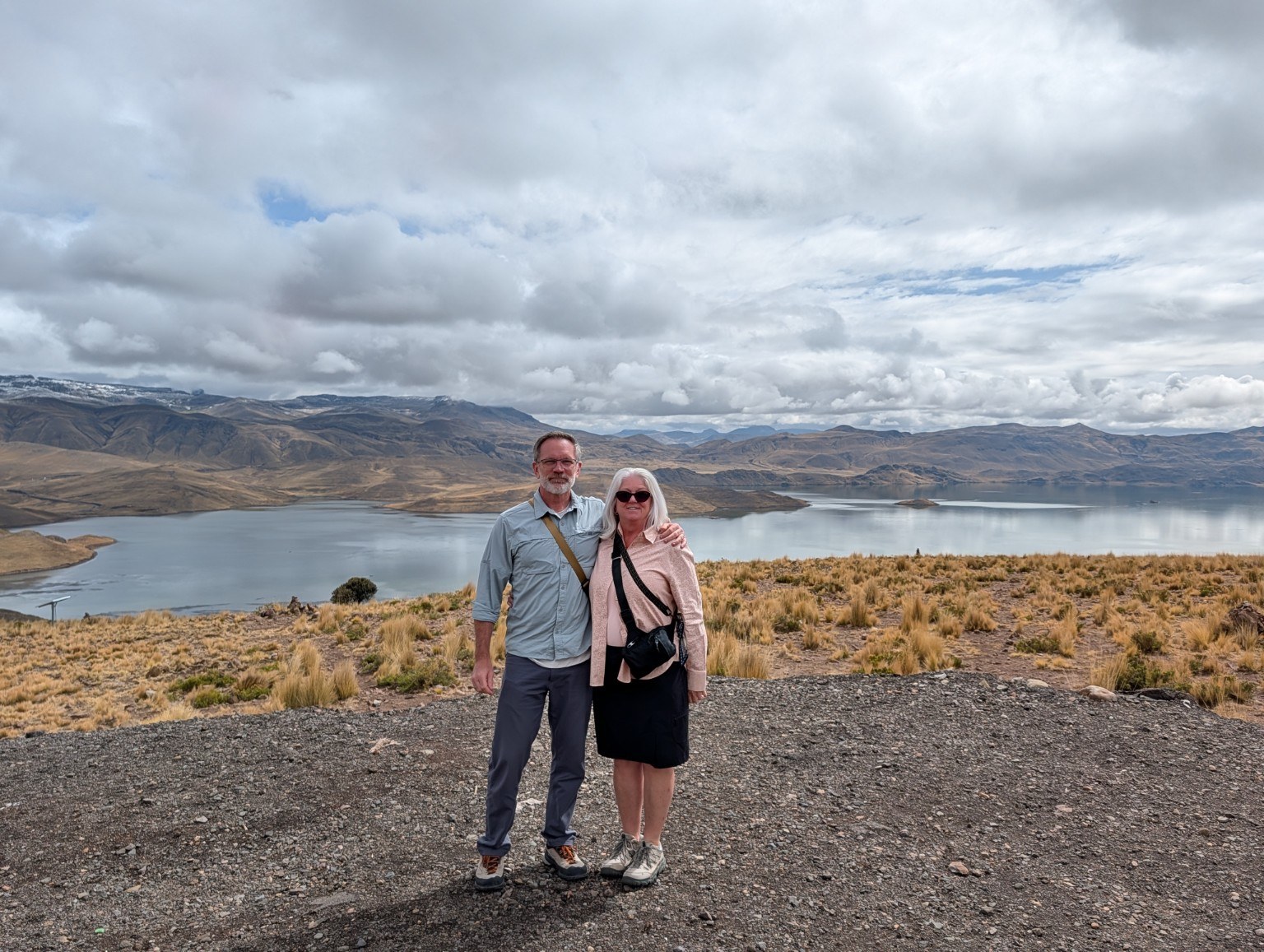
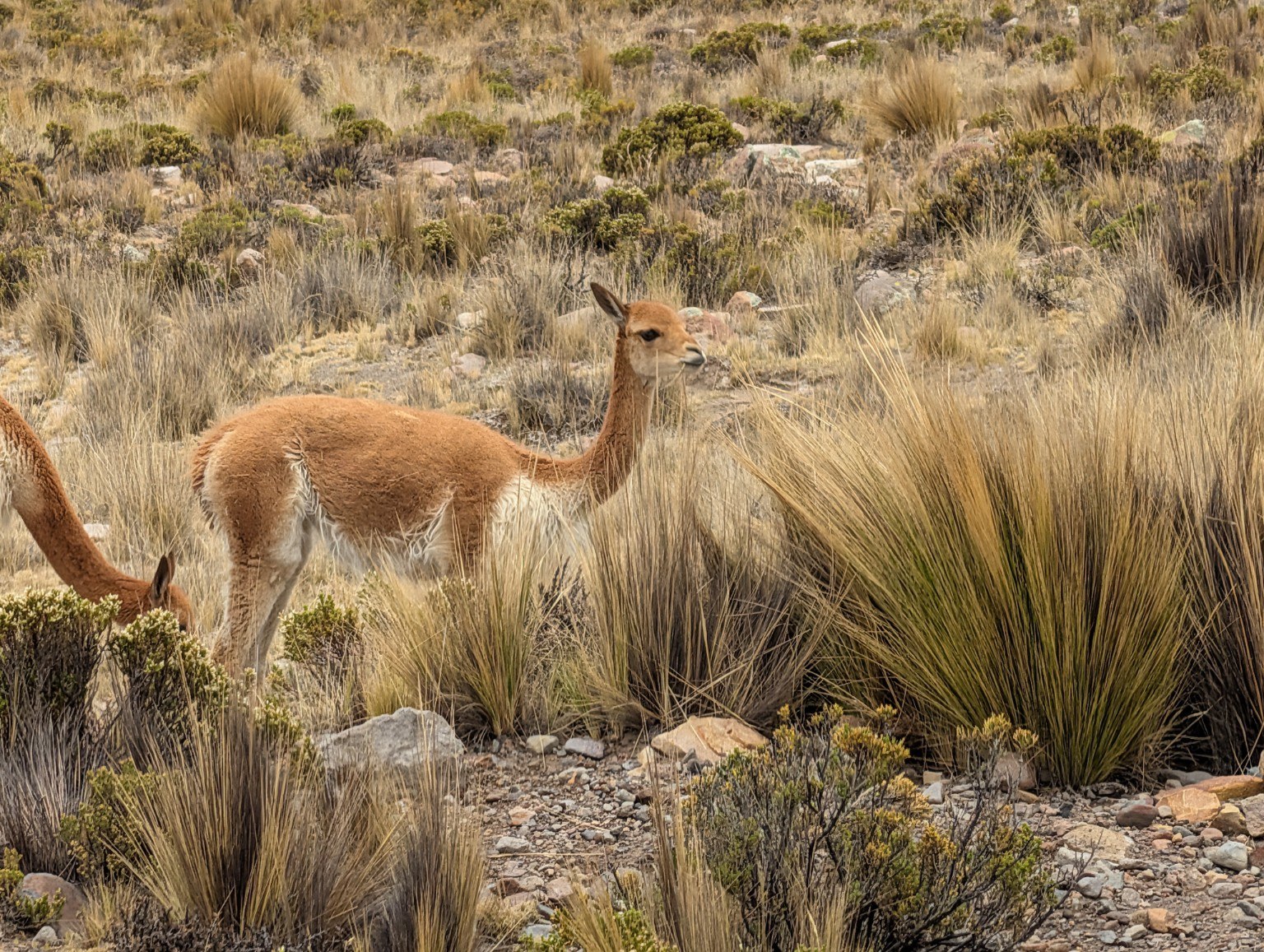
Like the train journey to Puno, the drive gave us a sense of how expansive this part of Peru is. We stopped above Laguna Lagunillas, watched wild vicuñas along the road, and passed through towns that seemed a long way from anywhere.
Our guide described some of the challenges of living here: mining, tending alpacas, growing what the altitude allows. There were stretches of rough road and a pause for highway construction. Trucks carried copper toward the coast. For all its apparent remoteness, this landscape was full of people working and making a life.
We also passed a gathering where people had set out colorful flags for rounding up and shearing vicuñas. It reminded me of the sheep roundup we’d seen in Iceland. Different animals, different mountains, but something familiar about the occasion.
There was something almost romantic about traveling through this country. I enjoyed watching it unfold outside the window.
The next morning, we set out early for Colca Canyon and the possibility of seeing condors.
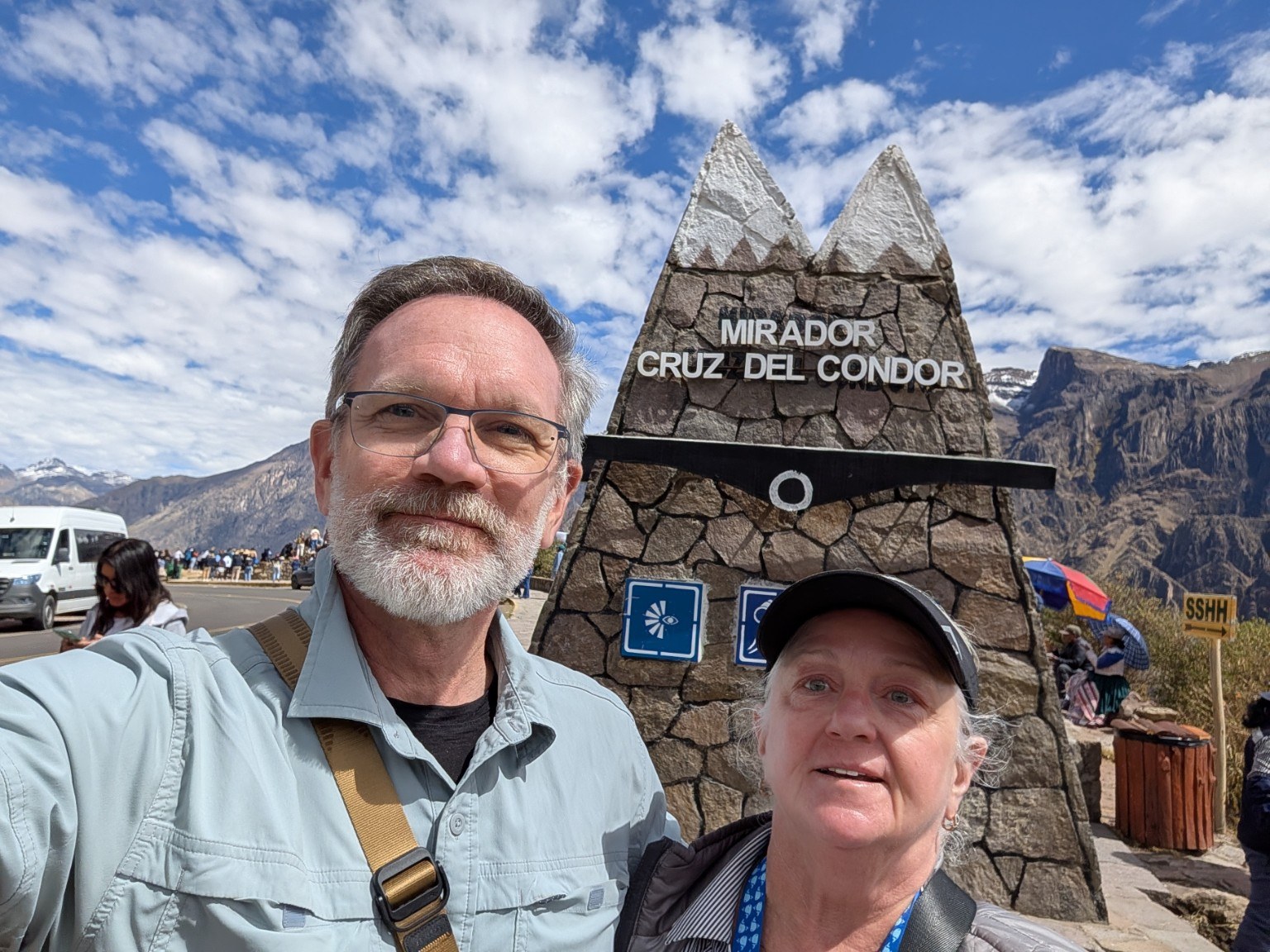
At Cruz del Cóndor, we found plenty of other people with the same idea. It was still cool, and we waited thirty or forty minutes for the air to warm and the birds to begin flying. We saw a couple of condors and an eagle before our guide suggested trying another spot.
That turned out to be a very good suggestion.
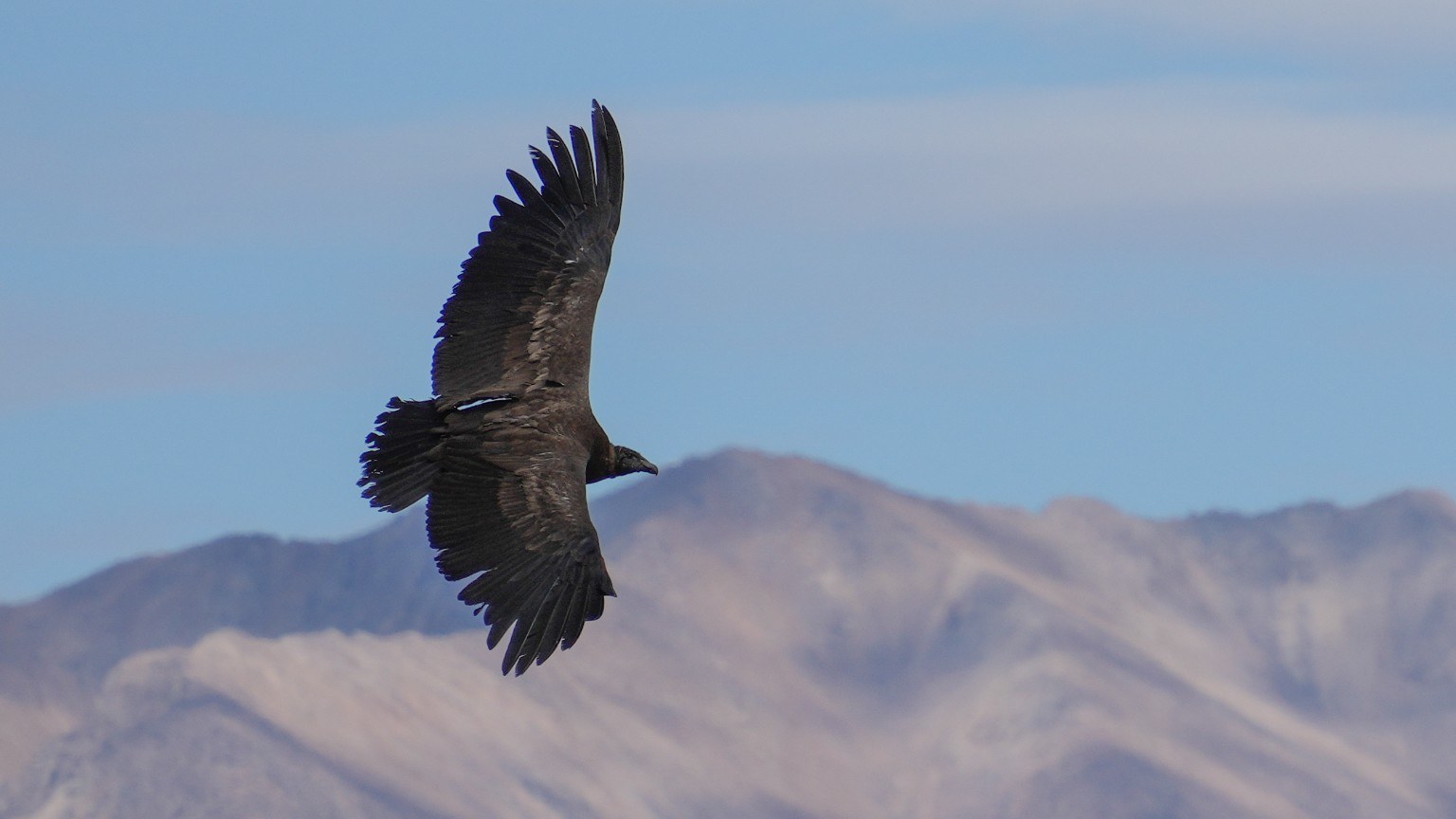
There were only about ten people at the second viewpoint, and our first condor appeared within minutes. Watching those enormous birds glide past, with the canyon beneath them, was remarkable.
So was the canyon itself.
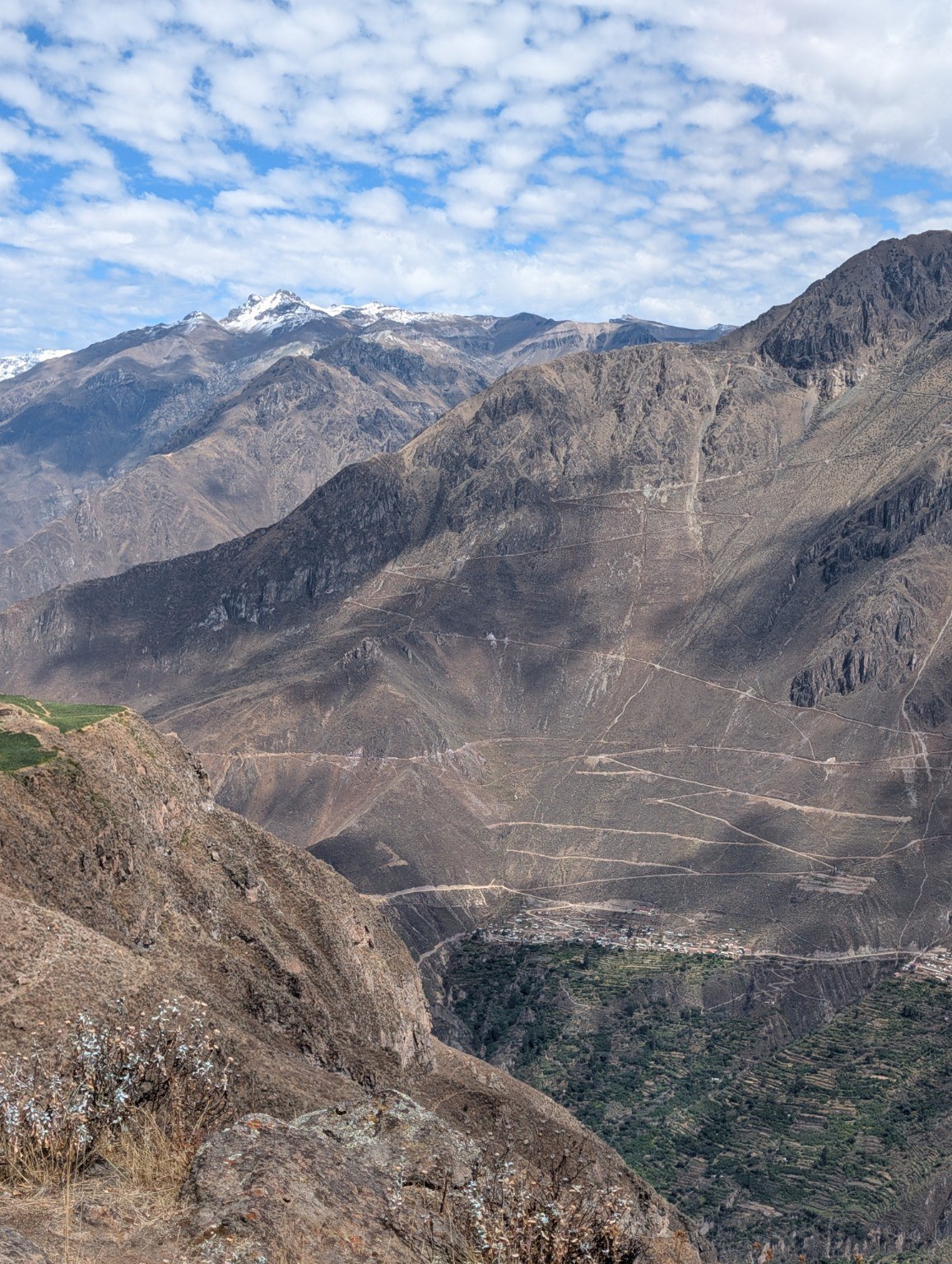
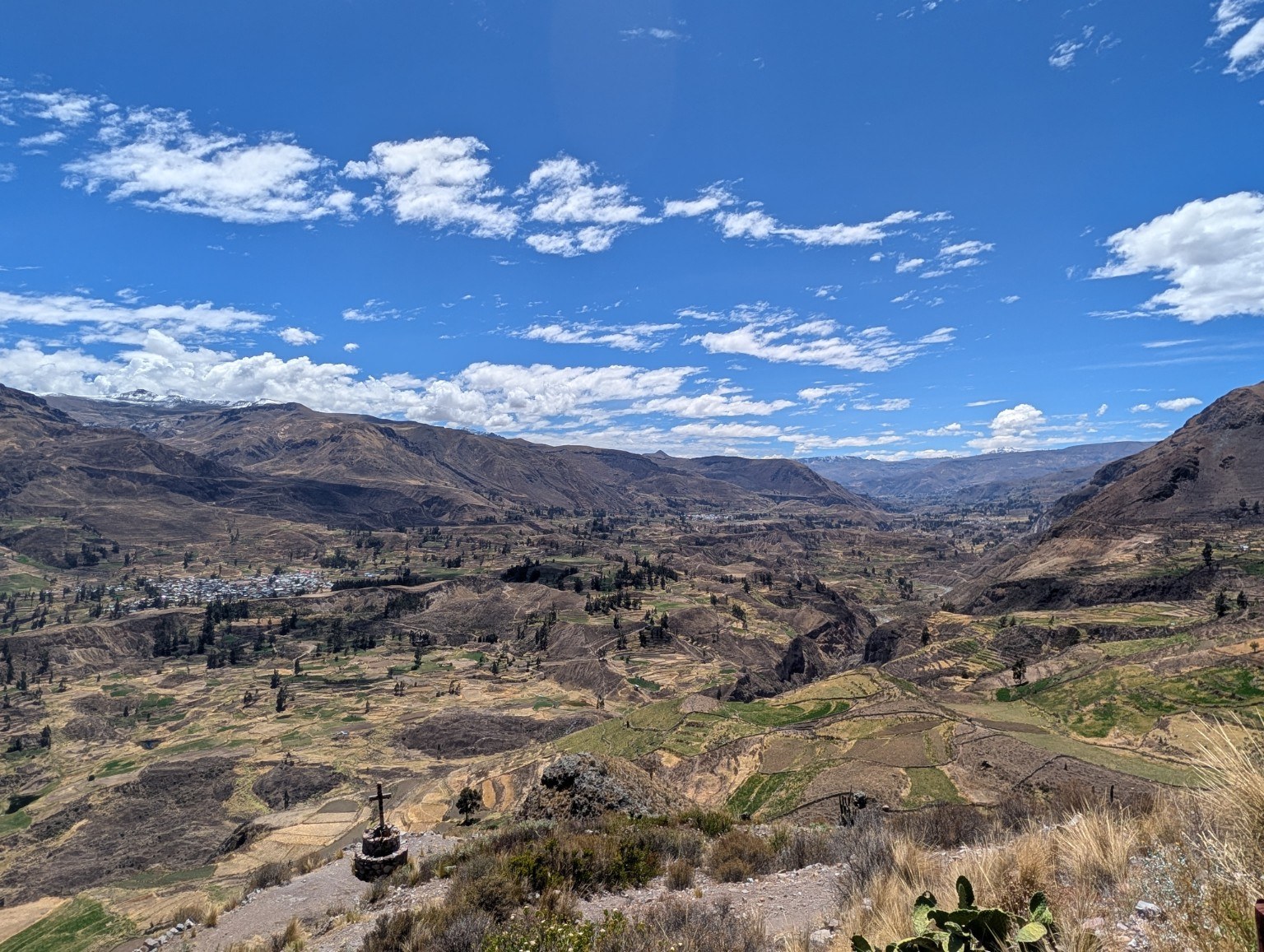
The hillsides didn’t look real. My sense of scale stopped working. Looking across the slopes and down into the depths, I couldn’t quite make sense of the distances. Above it all was an extraordinary blue sky with pure white clouds.
Why hadn’t I heard more about this place?
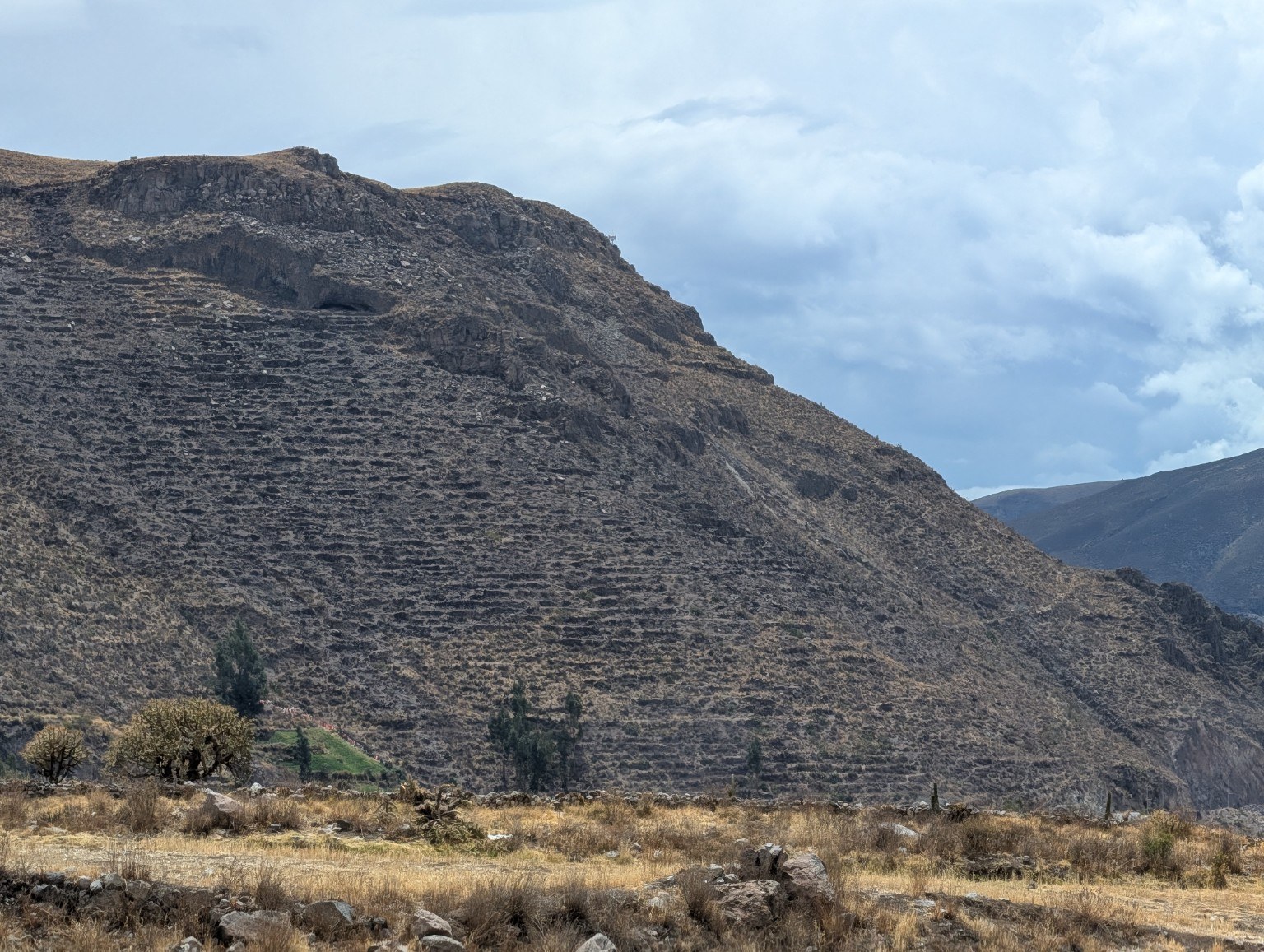
Throughout the Colca Valley, terraces covered seemingly impossible hillsides. There were so many of them, each representing work I could barely imagine doing, let alone repeating across an entire mountainside.
After the early starts and sightseeing, we had a day with nothing scheduled. We stayed around our suite and spent some time at the pool, though the mosquitoes made sitting outside less appealing than we’d hoped. Still, it was good to have a day without packing or a pickup time.
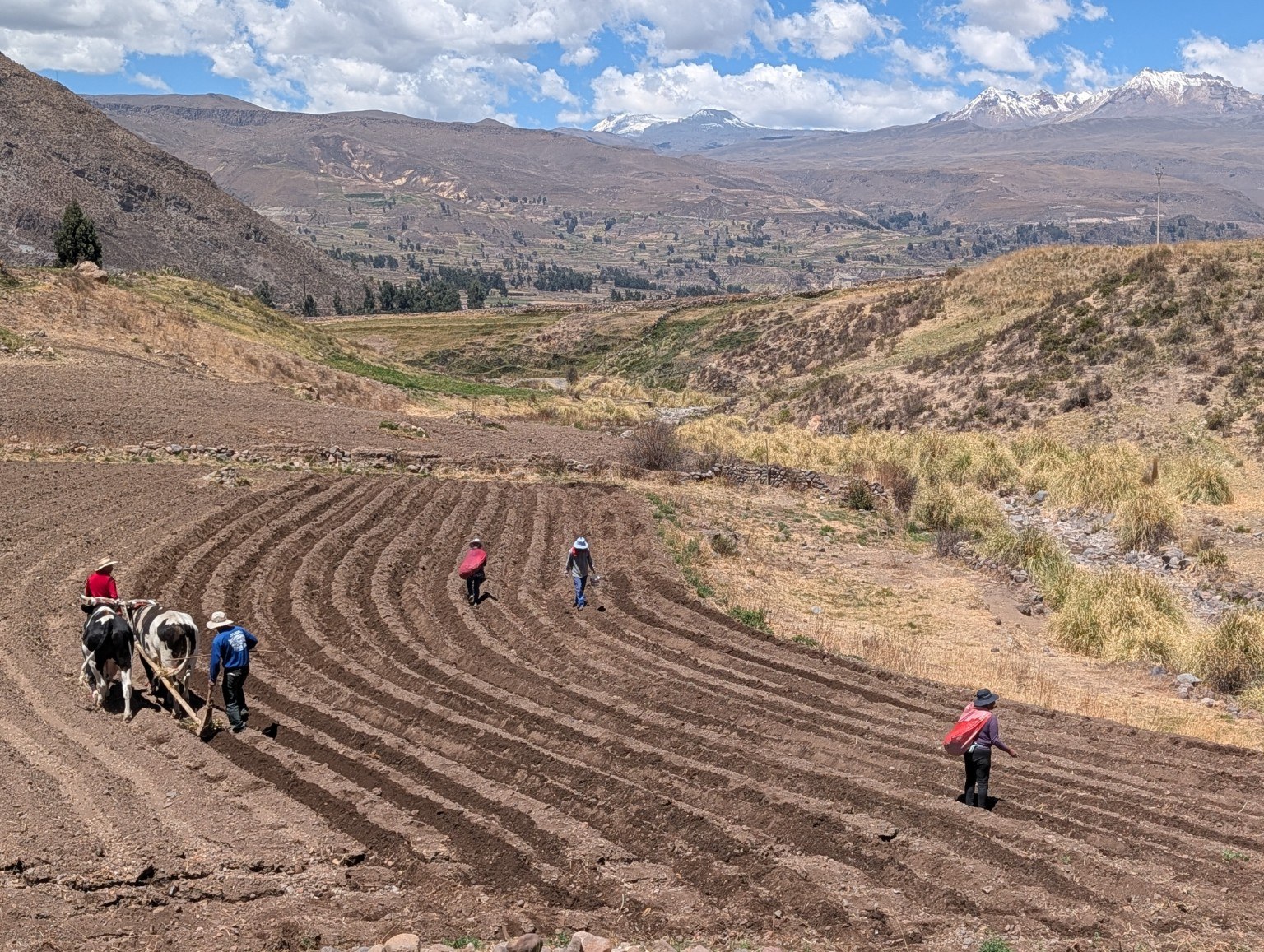
On the drive to Arequipa, we stopped beside a field where farmers were plowing with a pair of bulls and planting potatoes. We watched and talked with them through our guide. They were hoping for rain and worried about what the season might bring.
No rain, no crops.
After several days admiring the terraces and mountains, it was a reminder of what it takes to live and farm here.
The drive continued through more beautiful country before we arrived in Arequipa, checked into our hotel, and went out for a good dinner.
Colca had given us soaring condors, immense landscapes, and a welcome day of rest. I left still wondering how a place so remarkable had barely been on my radar.