Arequipa was our final stop in Peru. After the open landscapes of the Altiplano and Colca Canyon, we were back in a busy city, with crowded streets, beautiful churches, and white stone buildings that I loved.
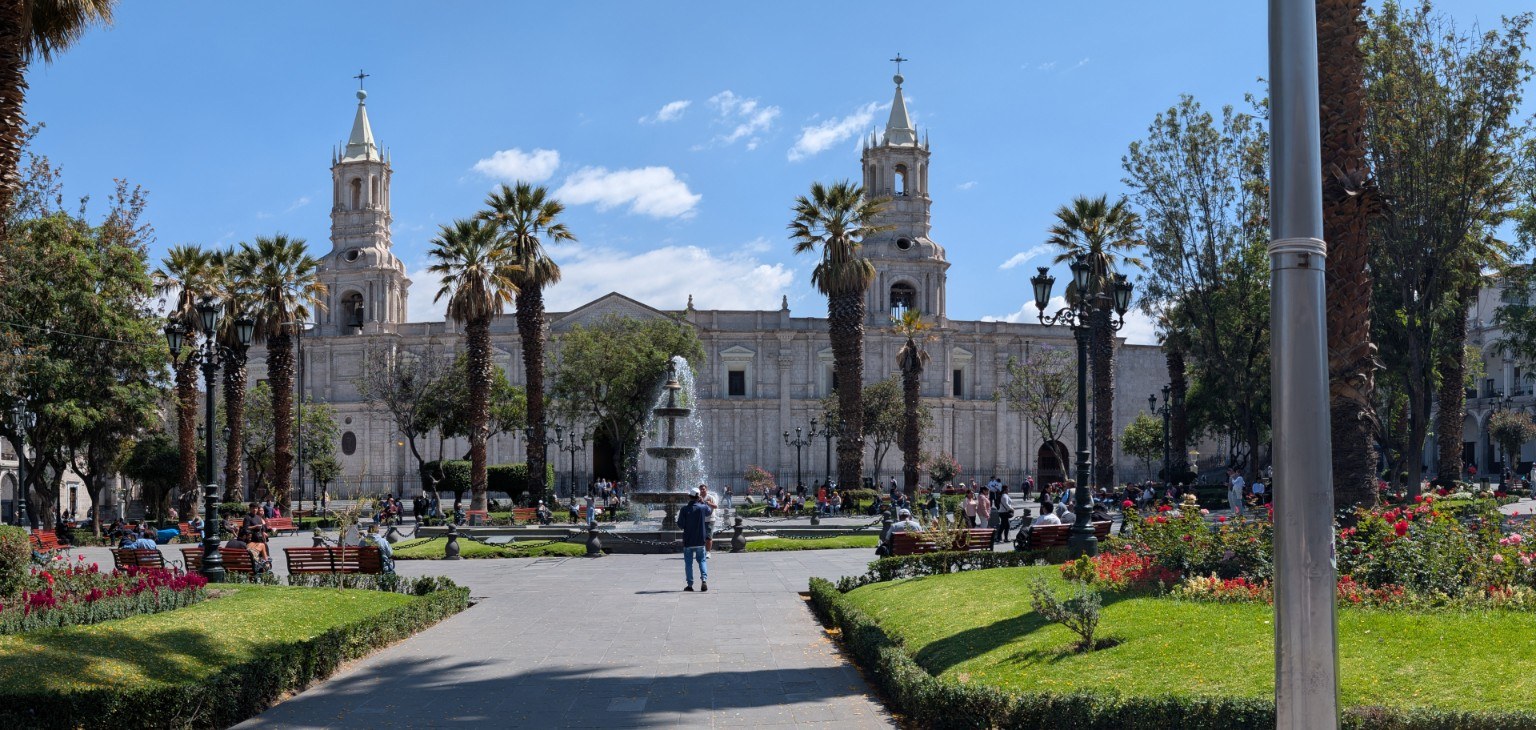
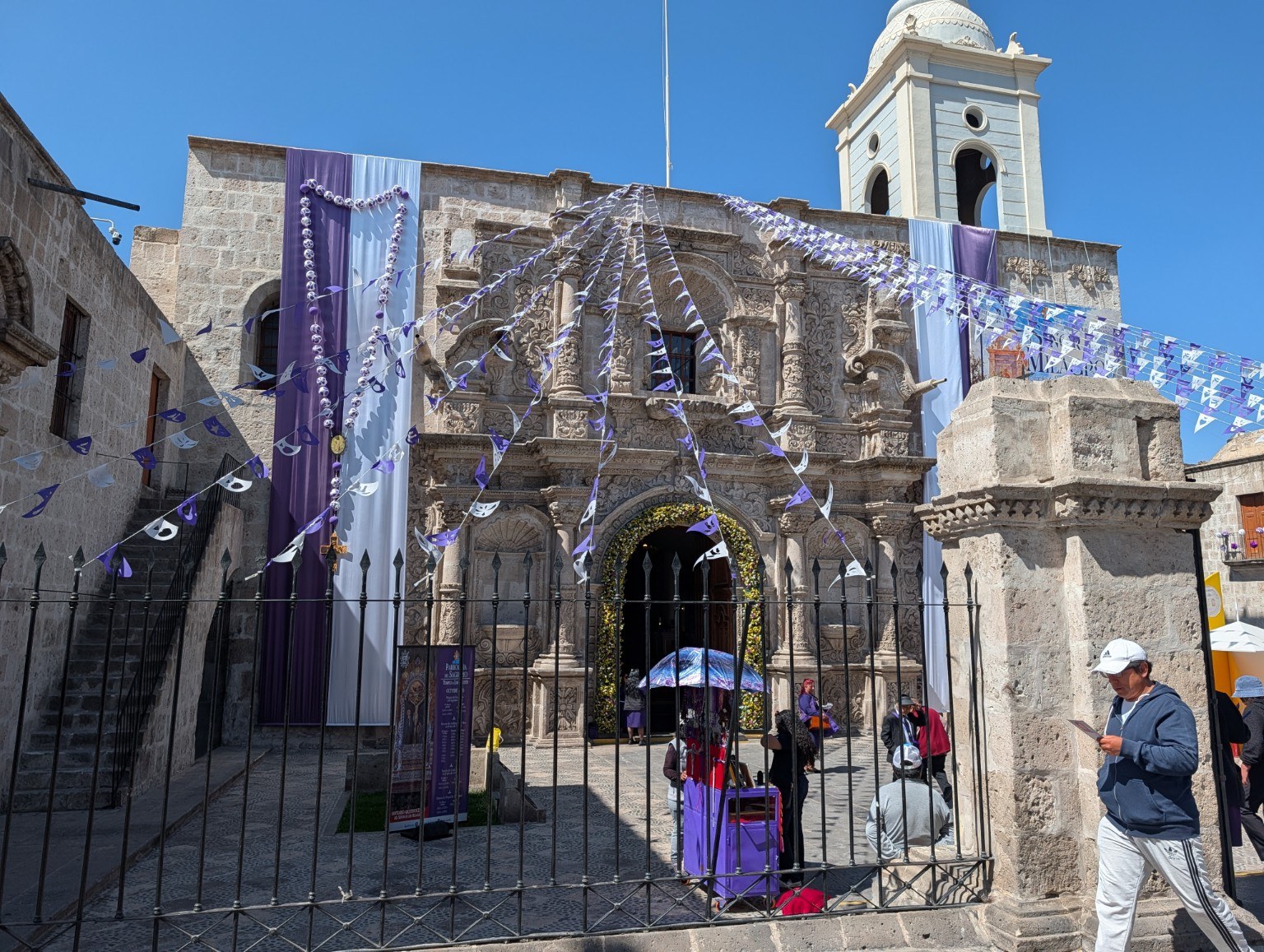
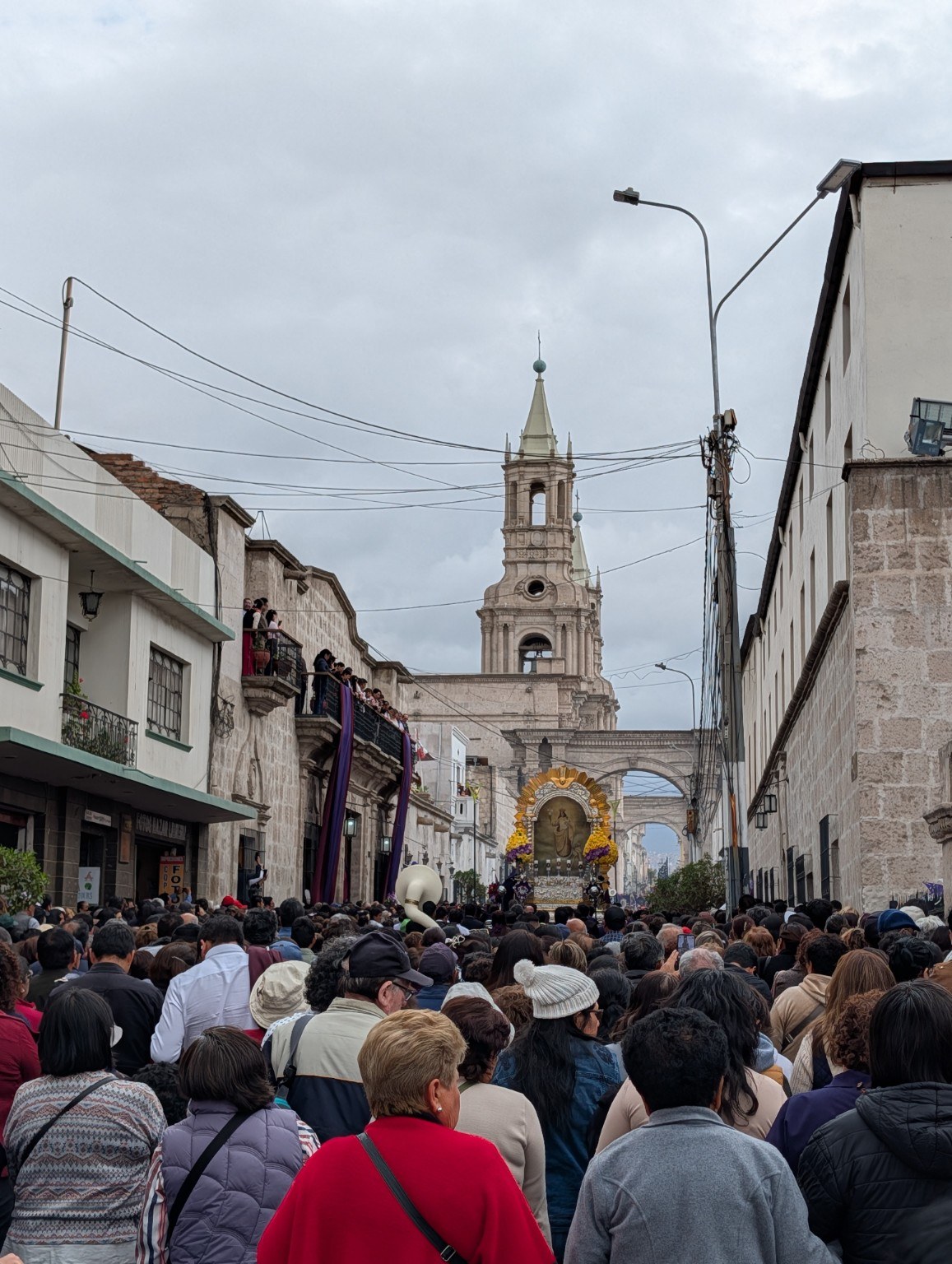
We arrived from Colca on October 27, checked into our hotel, and went out for a good dinner. The following day we explored the historic center, the Plaza de Armas, and the churches around San Francisco. The buildings were beautiful, but it was the stonework that kept catching my attention.
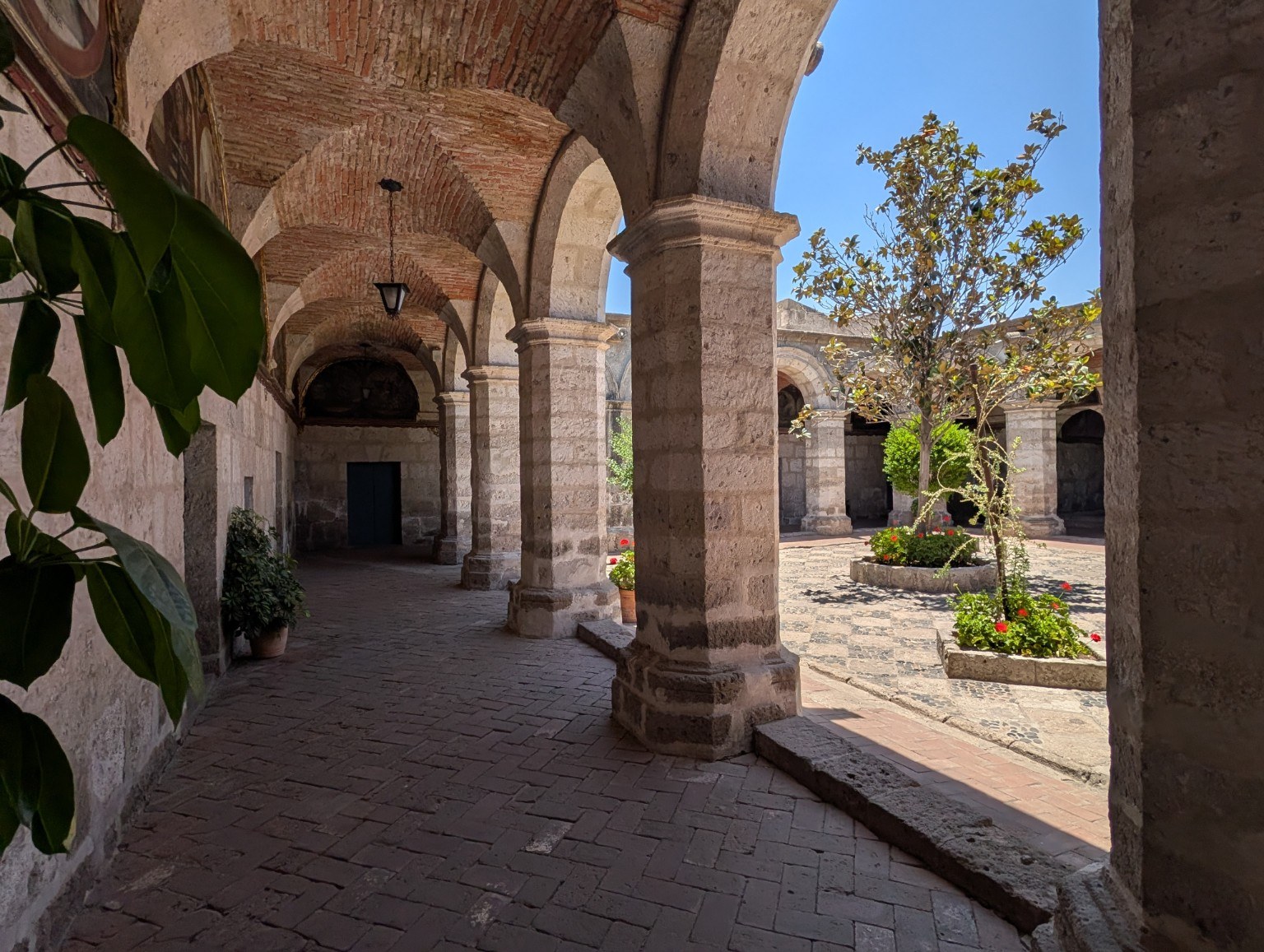
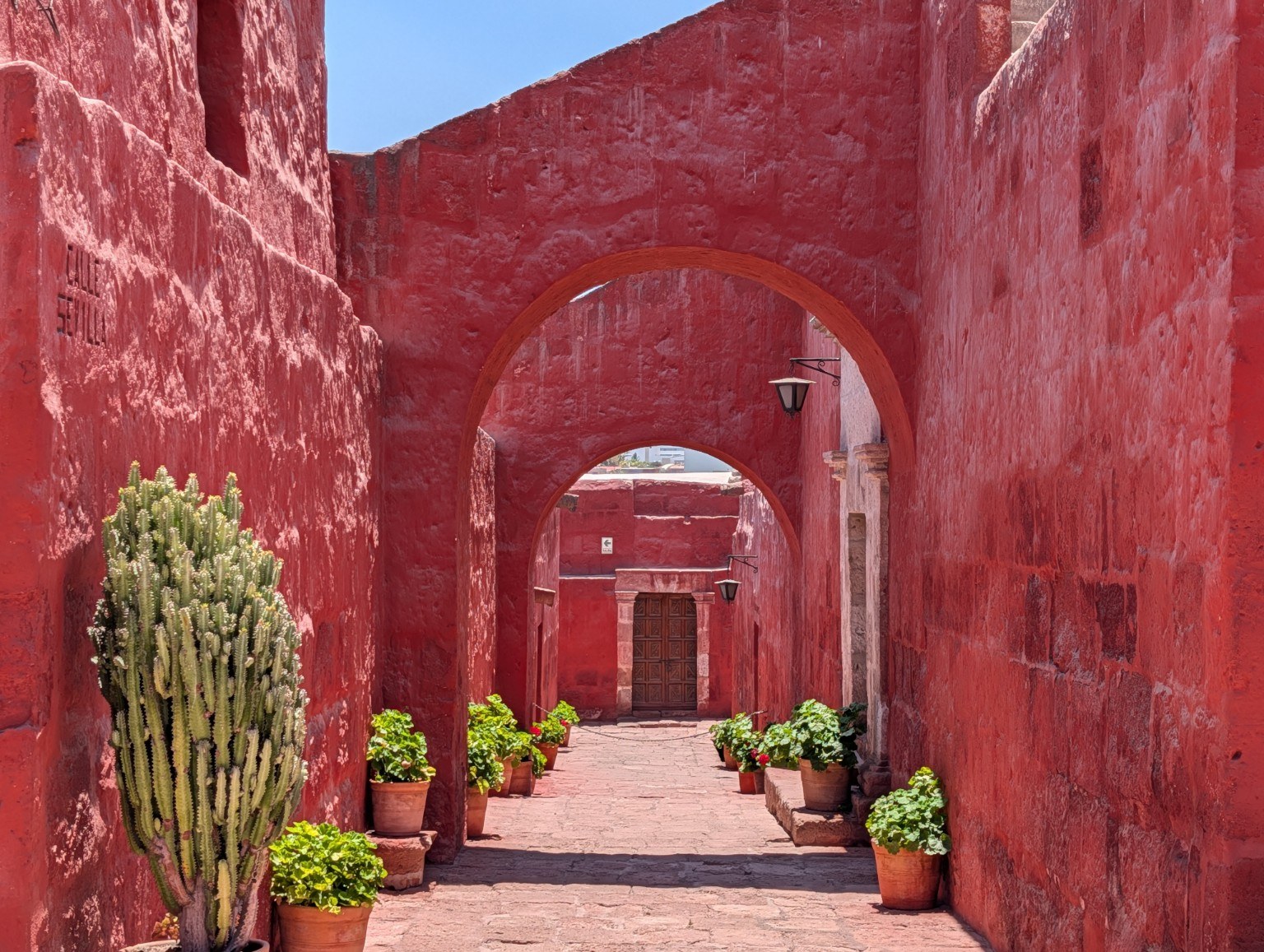
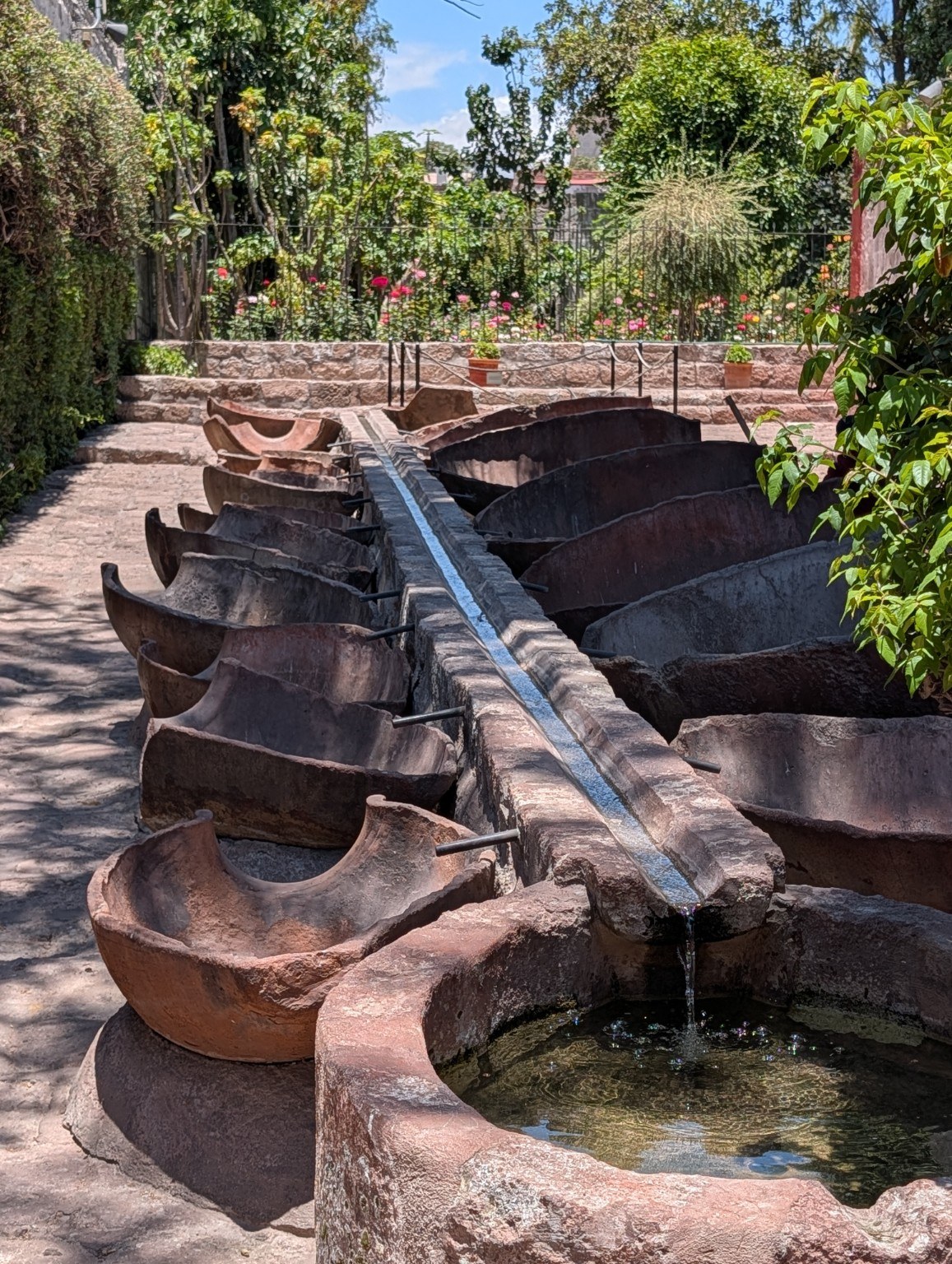
Santa Catalina Monastery was especially impressive. We wandered through cloisters, small streets, courtyards, and passages painted in strong reds and blues. There was a surprising amount to explore, including the old laundry with its rows of earthenware basins. It felt like a small town within the city.
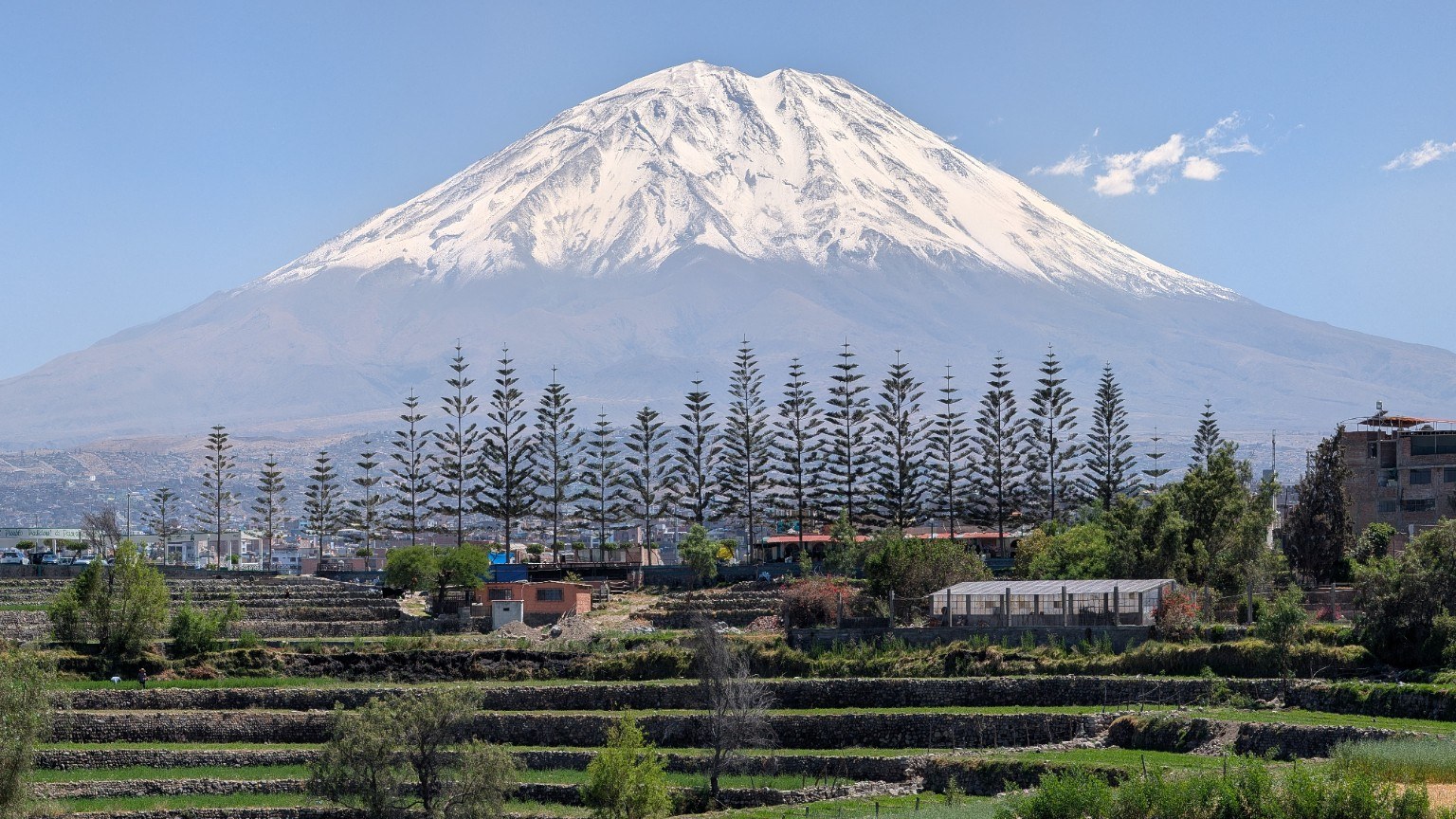
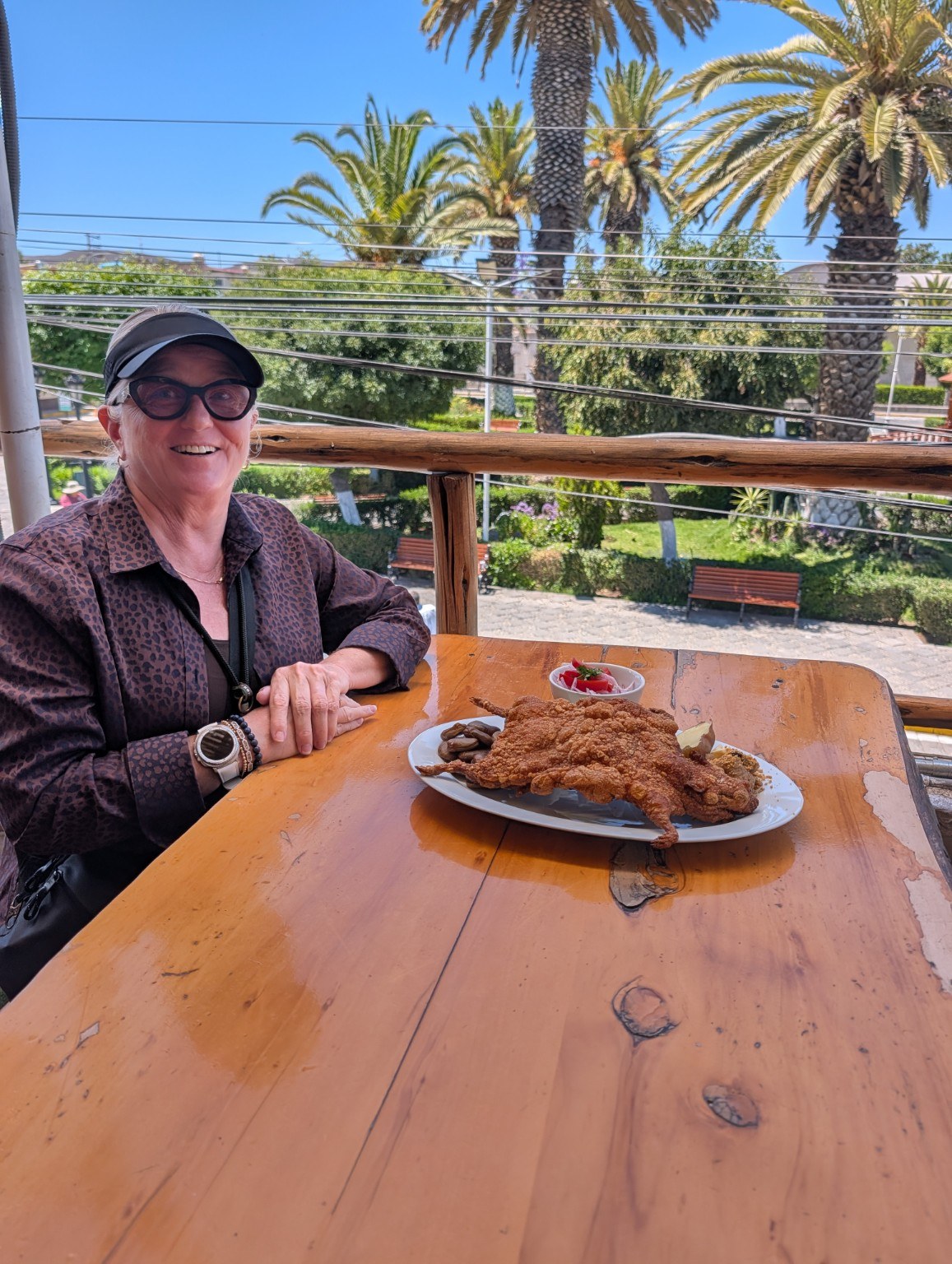
The next day was devoted to food. We stopped for photographs of Misti, snow-covered beneath a clear blue sky, then continued to La Benita in Characato for cuy chactado—fried guinea pig.
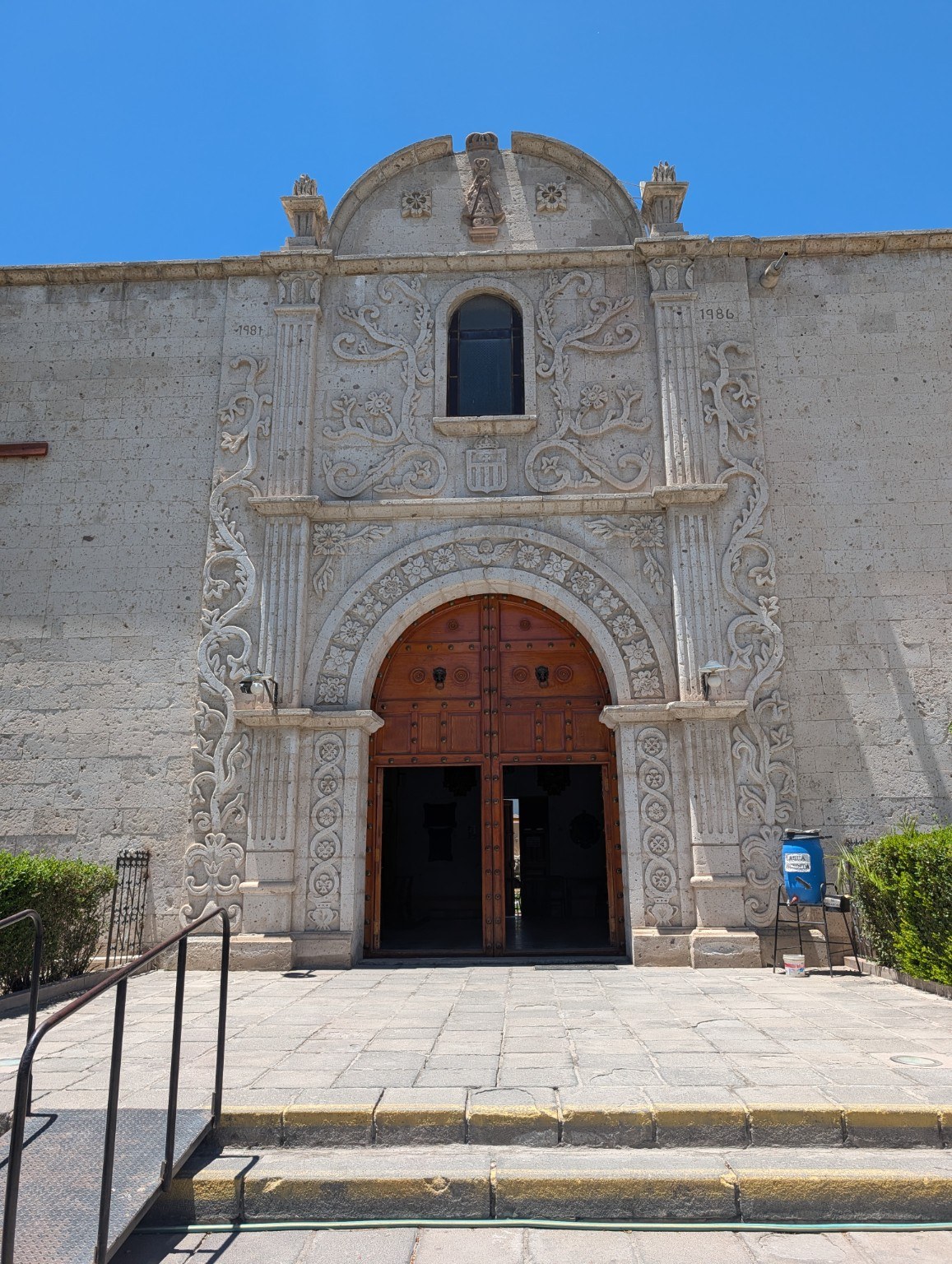
It tasted like chicken and ate like a scrawny chicken thigh. We tried it, enjoyed the experience, and took the necessary photographs. Afterward, we walked across the town square to the church. Characato was a lovely little stop.
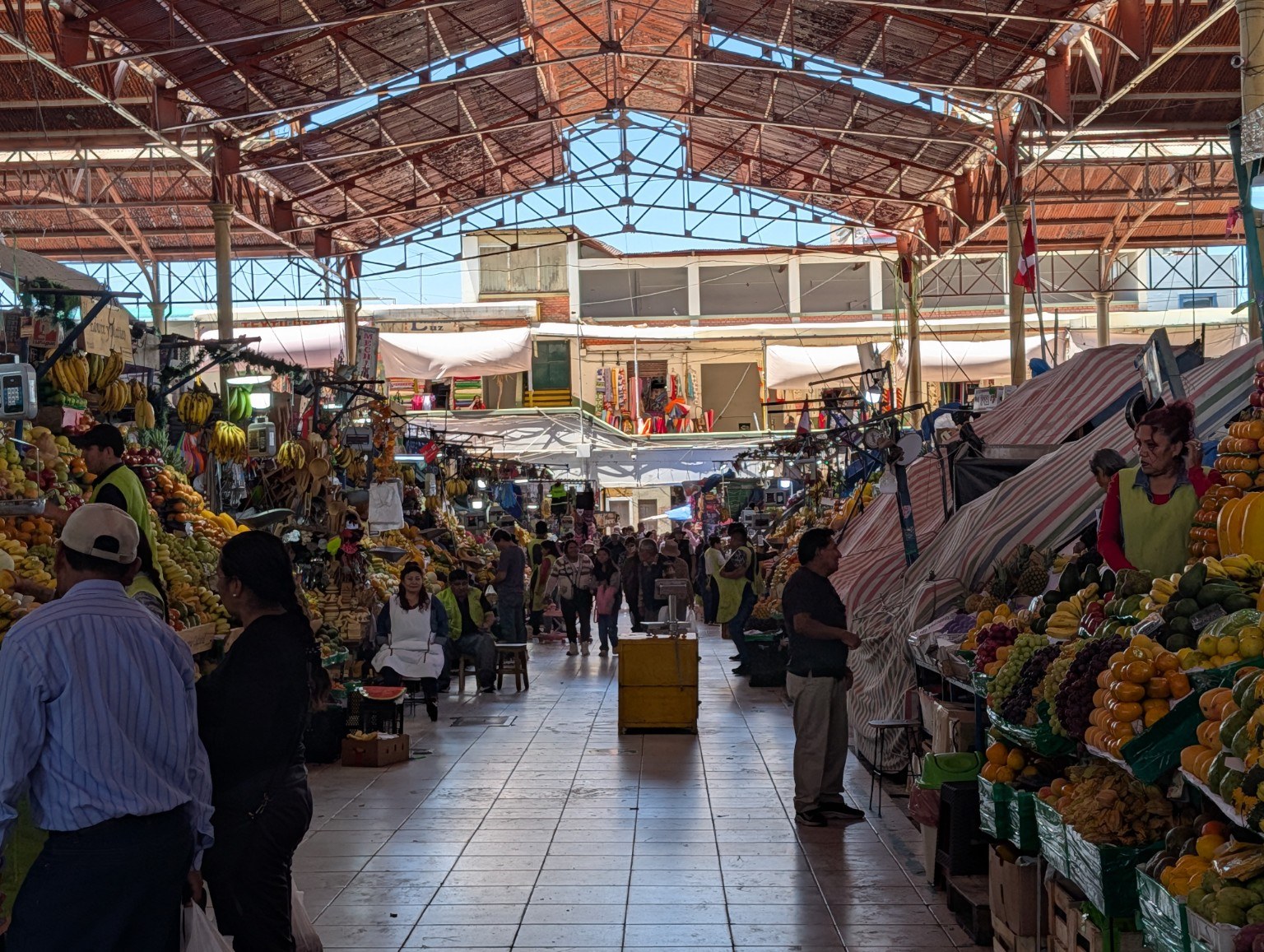
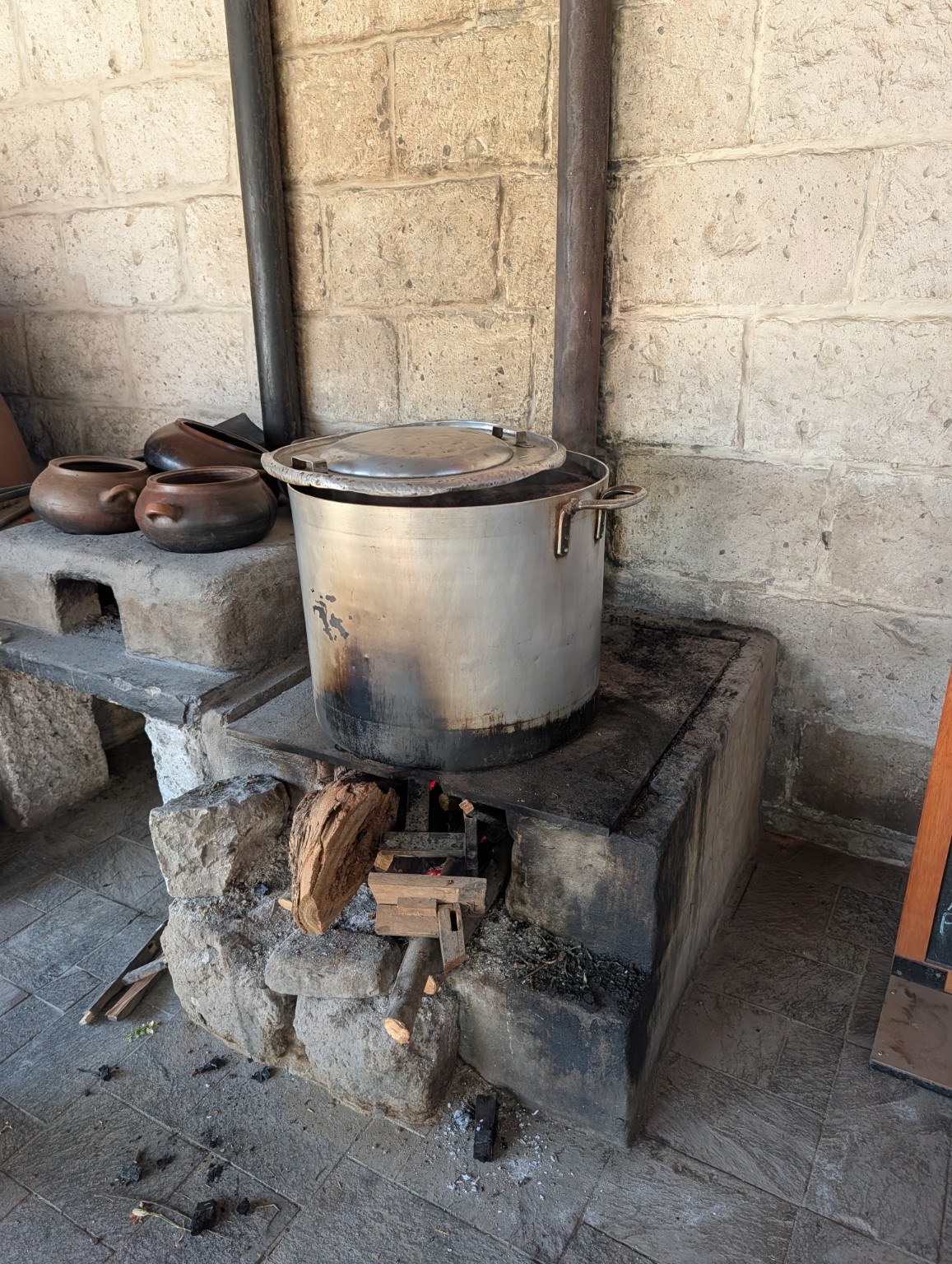
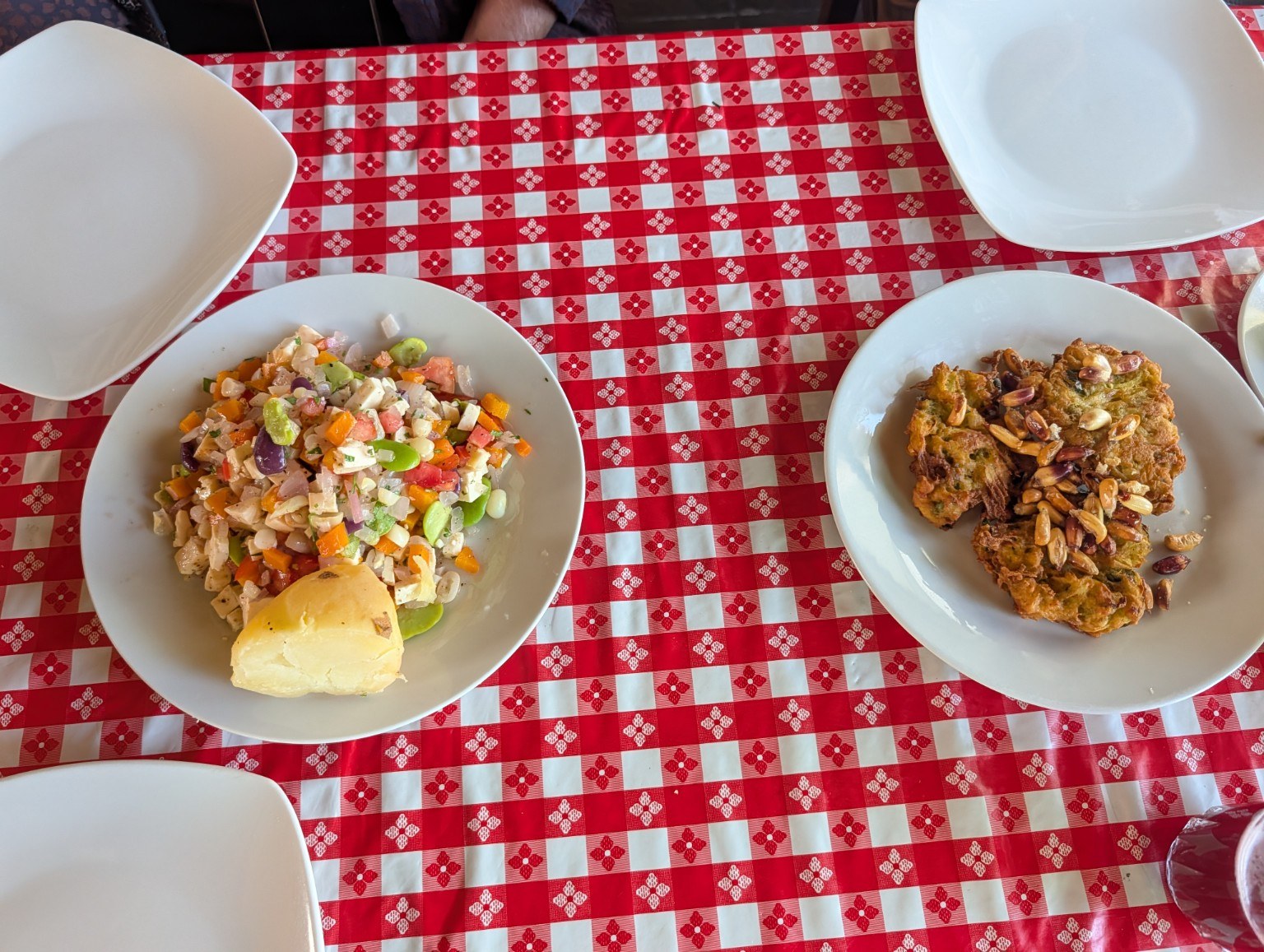
At Picantería La Cau Cau, we saw black corn boiling in a large pot for the traditional drink, chicha de guiñapo. We also had solterito de queso, a refreshing cheese and vegetable salad, and vegetable torrejas. By our final food stop at Casa Andina, we were already full, but still managed to share a shrimp dish and a drink.
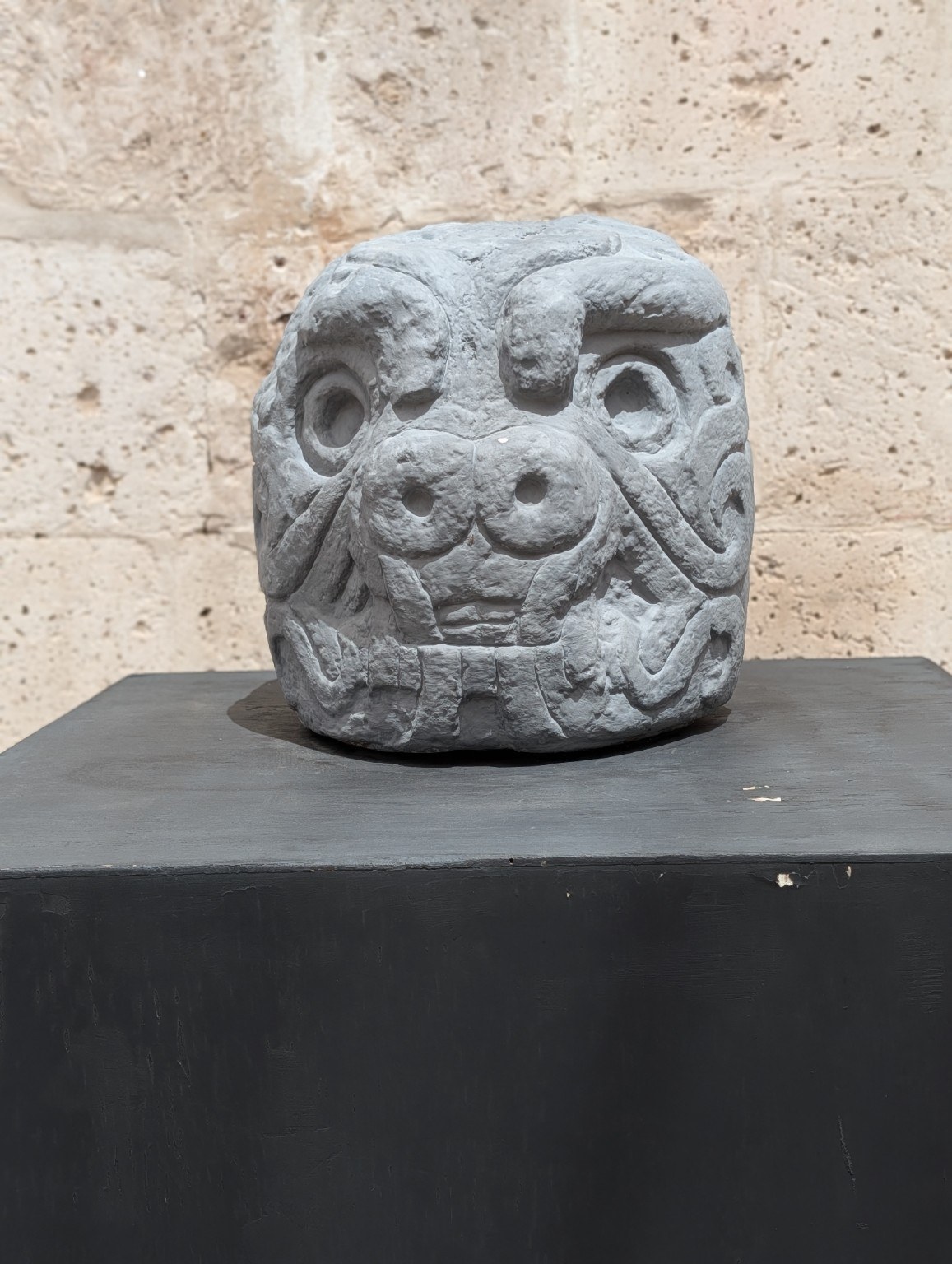
On our last morning, before heading to the airport, we visited three museums: Museo Santuarios Andinos, MUCEN Arequipa, and Museo Arqueológico UNSA. All three were impressive.
At Museo Santuarios Andinos, we learned about Juanita, the young girl sacrificed on Mount Ampato roughly 550 years ago. The pottery, textiles, carvings, and metalwork we saw across the museums were beautiful. After weeks of visiting archaeological sites and seeing terraces across the mountainsides, these smaller objects gave us another way to appreciate the people who had lived here.
They also made me realize how little I know about the archaeological history of North America. I found myself wondering what we have preserved and what I have simply never taken the time to learn about.
At the last museum, we were admitted free because we were over sixty. The entrance fee was only five soles—about a dollar and a half—but we accepted the benefit.
Arequipa was a beautiful final stop. I was glad we had time to see it, though I don’t think we would need to return. For the most part, it felt like a crowded city rather than somewhere we would come back to relax.
Looking back on Peru
Looking back on Peru as a whole, there was so much that impressed me. The people we met were welcoming and gracious, and traveling through the country felt easy with the arrangements we had in place.
The textiles were extraordinary, especially when we watched people making them by hand. I bought a sweater, several scarves I’ll likely never need, and a couple of pieces we can use as table runners or throws.
Then there were the archaeological sites: Pisac, Ollantaytambo, Sillustani, and, of course, Machu Picchu. And the terraces, seemingly everywhere, climbing hillsides where I could barely imagine the work required to build them.
I’ll remember the vast landscapes of the Altiplano, the Andes, Colca Canyon, and the volcanoes. The condors. The beautiful white buildings of Arequipa. And the food, particularly the ceviche in Lima. I don’t recall a bad meal.
There is much more to see in Peru. We left grateful for what we had experienced—and with plenty to remember.